

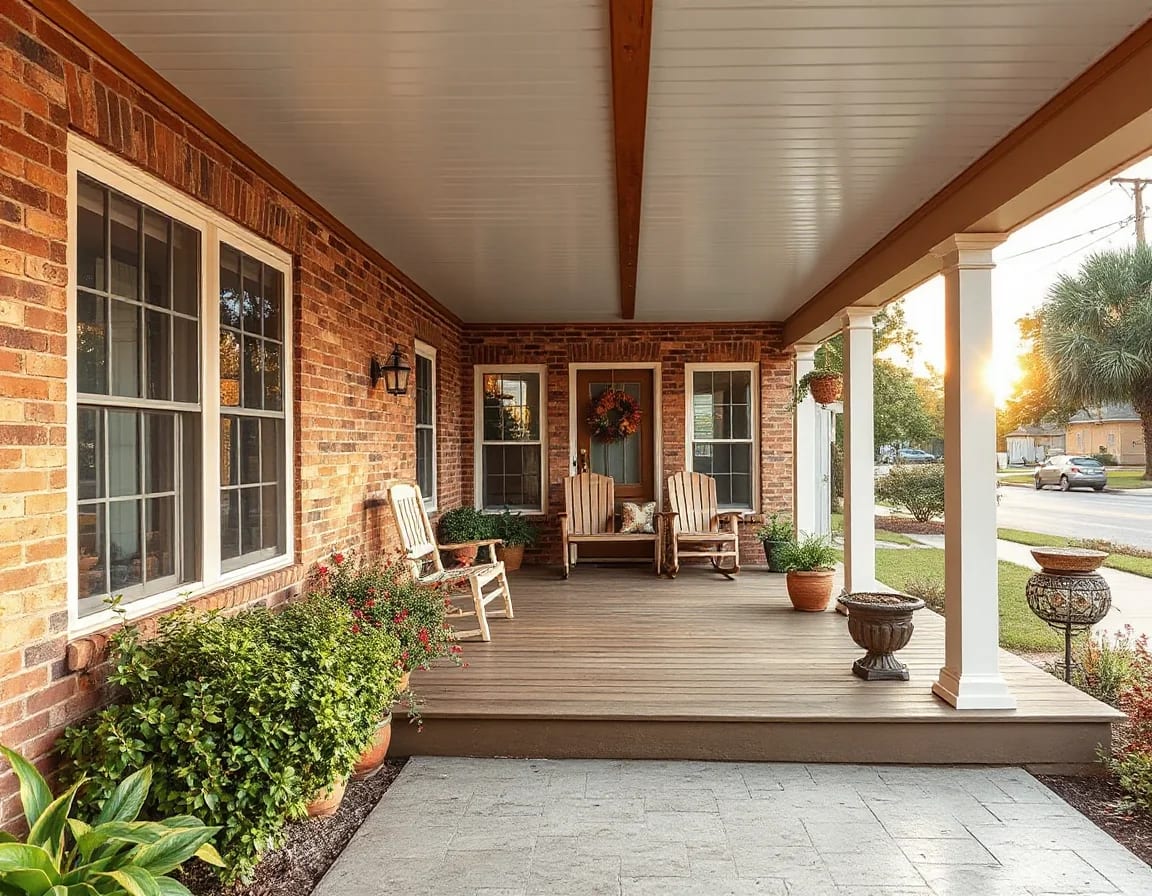
Buying your first home in Midtown can feel manageable when you know the price tag is only part of the picture. From closing costs to reserves for repairs, a realistic budget helps you compare homes with more confidence and fewer surprises. This guide breaks down five expenses many buyers overlook so you can plan clearly before making offers.
What catches many first-time buyers off guard
It is easy to focus on the list price, monthly mortgage estimate, and interest rate while searching for a home. In Midtown, where location, lot size, updates, and architectural style can vary from block to block, the real cost of buying often comes from the items wrapped around the purchase rather than the headline number itself. A strong plan starts with understanding what you may need to pay before closing, at closing, and during the first year of ownership.
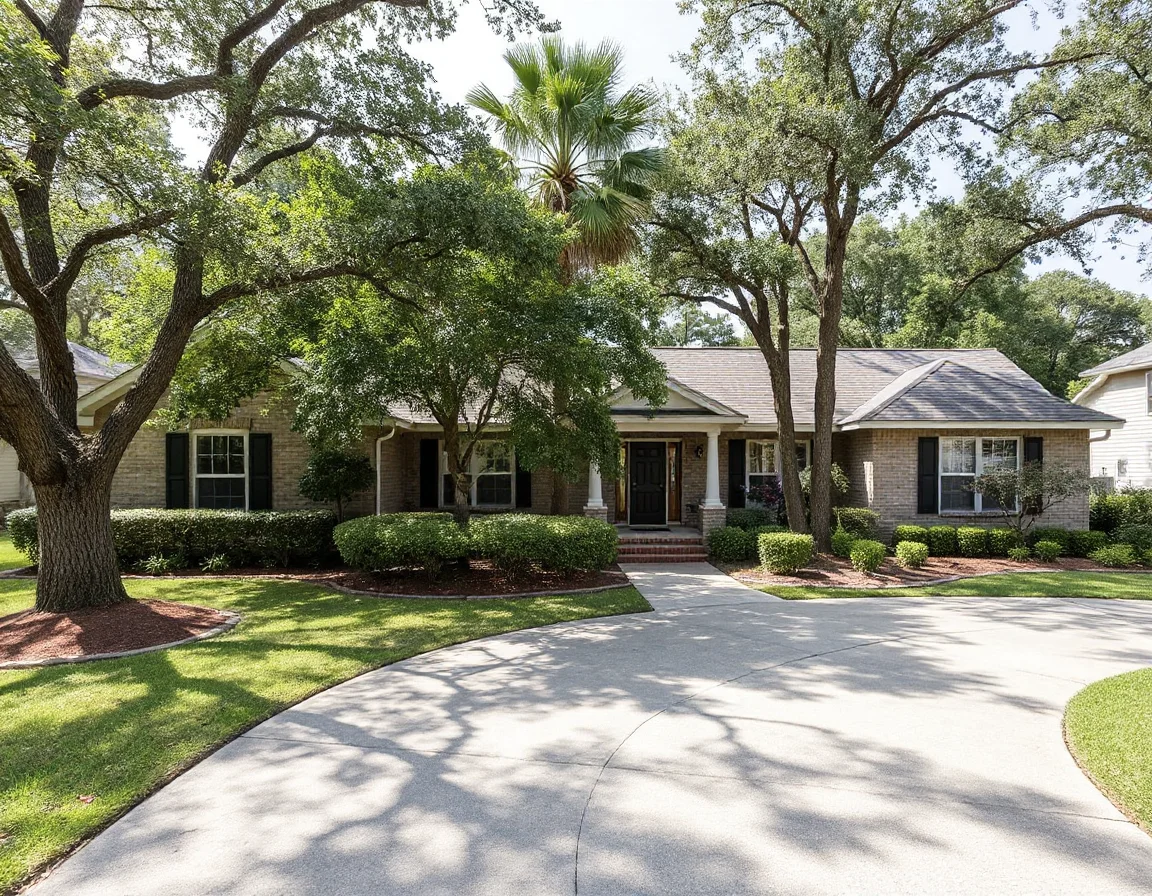
That matters in Midtown because inventory can include older homes with character, renovated properties with premium finishes, and townhomes or condos with different fee structures. Two homes with the same asking price may create very different monthly and upfront costs. Looking beyond the sticker price helps you decide not just what you can qualify for, but what you can comfortably own.
Working with a detailed budget also gives you more flexibility when the right listing appears. Instead of reacting emotionally, you can quickly weigh whether a home still makes sense after factoring in insurance, taxes, inspections, and likely maintenance. That kind of preparation can make the buying process feel much less chaotic.
A price point that looks comfortable online can feel very different once taxes, insurance, and cash due at closing are added in. Running the full monthly and upfront picture before touring homes can save time.
1. Closing costs are real cash, not just paperwork
One of the biggest surprises for first-time buyers is how much cash is needed beyond the down payment. Closing costs can include lender fees, appraisal charges, title work, recording fees, prepaid taxes, and prepaid insurance. The exact amount depends on the loan program, purchase price, and timing, but it is common for buyers to need a meaningful amount set aside in addition to their down payment.
Because these expenses are bundled into the final transaction, they can feel abstract until you see a formal estimate. Ask for a detailed breakdown early so you know whether you are budgeting for a few thousand dollars or substantially more. That step can help you compare loan options more accurately and avoid draining funds you wanted to keep in reserve after move-in.
It is also worth remembering that cash needed at closing can change during the process. Insurance quotes, prepaid items, and negotiated seller credits may shift the final amount. Building in a cushion keeps those changes from becoming a last-minute problem.
2. Inspection findings can turn into immediate to-do items
A home inspection is one of the most useful reality checks in any purchase, especially in an established area where homes may have older roofs, original windows, aging plumbing components, or deferred exterior maintenance. Even when a house shows well, the inspection can uncover systems nearing the end of their useful life.
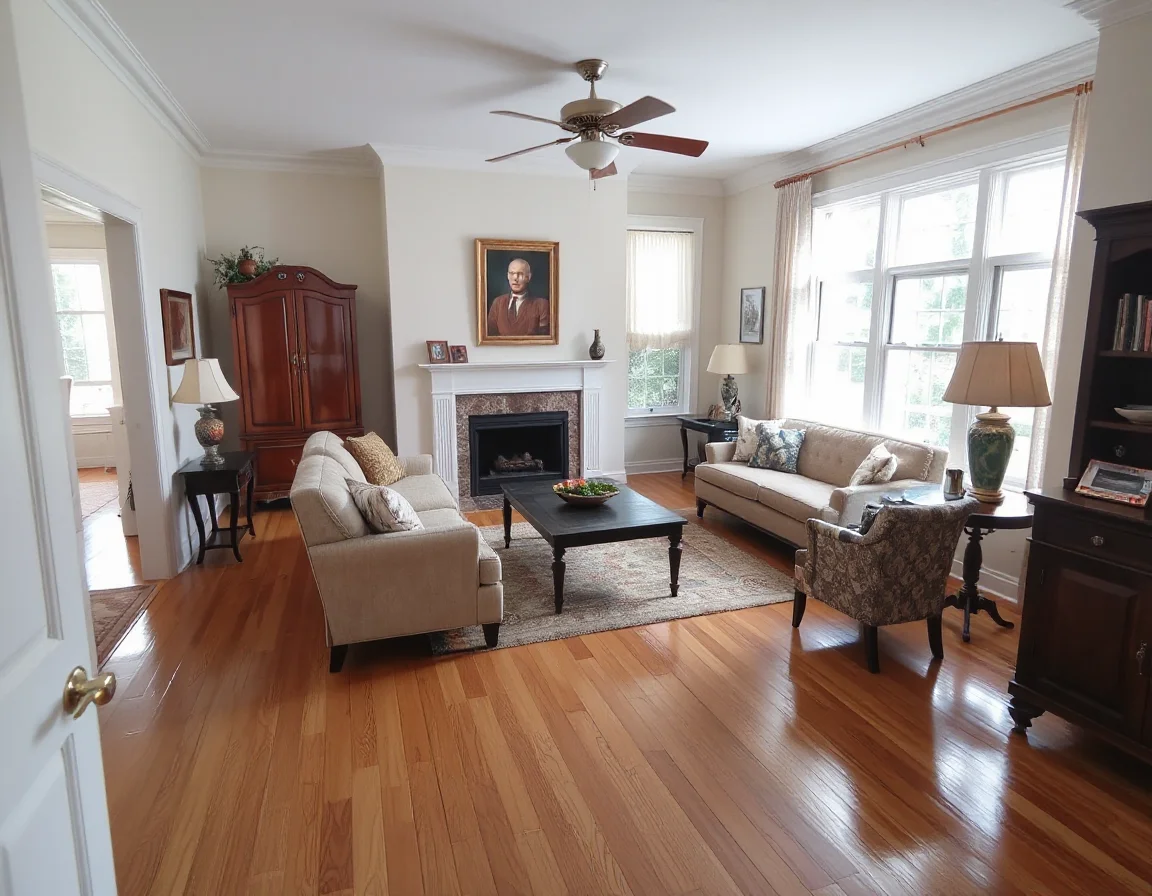
Some findings lead to negotiations, but others simply become part of your first-year ownership budget. You might close on a home knowing that a water heater, HVAC component, or drainage fix will need attention sooner rather than later. That is not necessarily a deal breaker. It just means you should plan for those expenses before you commit.
For first-time buyers, this is where reserves matter. After paying earnest money, moving expenses, and closing costs, it can be tempting to stretch every remaining dollar toward the purchase itself. Leaving room for post-closing repairs gives you breathing room and helps the transition into ownership feel more stable.
In established neighborhoods, age and charm often come with maintenance timelines. A house can still be a great fit if the expected repair schedule is built into your offer strategy and post-closing budget.
Talk through your Midtown buying budget
3. Insurance, taxes, and HOA dues change the monthly picture
Many buyers begin with an online mortgage calculator, but those calculators do not always reflect property-specific costs very well. Homeowners insurance premiums can vary based on the age and condition of the home, roof features, and other underwriting factors. Property taxes may also differ significantly depending on the property and ownership history.
Then there are association dues, where applicable. Some Midtown-area condos or townhome communities may include monthly fees that support exterior maintenance or shared amenities. Those fees are not automatically negative; they simply need to be evaluated as part of the total ownership cost. A lower-maintenance property with dues may still fit your goals better than a detached home with higher repair exposure.
What matters most is comparing homes on a true monthly basis. A house with a lower asking price but higher taxes, insurance, or likely maintenance may not be the better value for your budget. When buyers review these numbers early, their search usually becomes more efficient.
4. Move-in costs add up faster than expected
Even after the keys are in hand, the spending rarely stops. Utility deposits, moving services, paint, blinds, appliances, yard tools, and basic setup purchases can hit within the first few weeks. Buyers often think of these as small items, but together they can create a meaningful outlay right after closing.
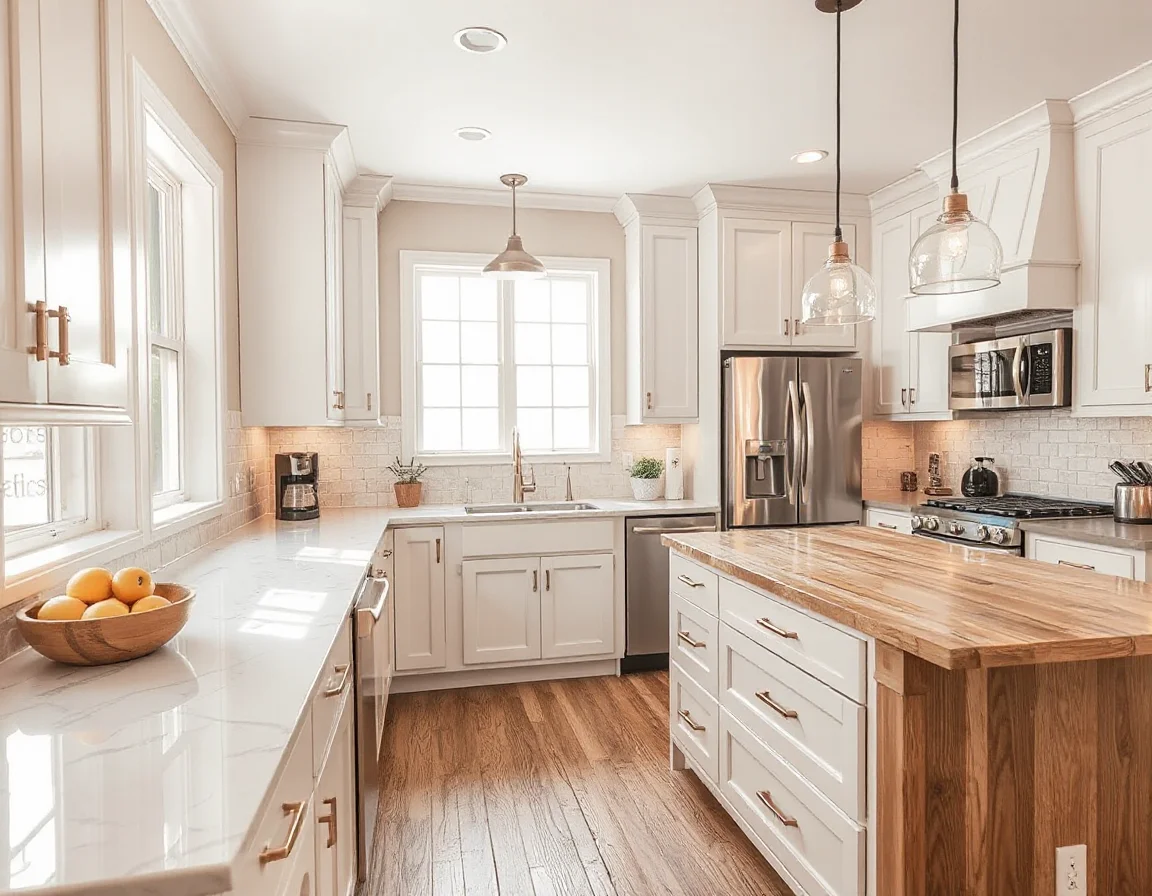
This is especially important if you are buying an older property that needs a few practical updates before day one. Replacing locks, servicing HVAC systems, trimming landscaping, or handling minor safety and maintenance tasks can become part of your immediate checklist. None of these costs are unusual, but they are easier to manage when you expect them.
A good rule of thumb is to preserve a separate move-in fund instead of using every available dollar for the transaction itself. That gives you flexibility to handle the setup phase without relying on credit cards for routine post-closing needs.
If you are comparing several property types, think about how each one affects your first 90 days of spending. A fully updated condo, a townhome with association dues, and a detached home with a larger yard may all create very different move-in budgets.
5. Your comfort zone matters more than your approval ceiling
Getting approved up to a certain number does not mean that number fits your day-to-day finances. One of the smartest things a first-time buyer can do is define a payment range that still leaves room for savings, travel, repairs, and normal life expenses. That personal comfort zone may be lower than the maximum a lender is willing to approve, and that is completely reasonable.
In a neighborhood search like Midtown, that clarity can sharpen your decision-making. You may choose to prioritize location, lot size, or renovation level differently once you know the payment range that feels sustainable. Buyers who set those boundaries early often negotiate more confidently because they are not trying to justify a home that pushes them too far financially.
This is also where local market guidance makes a difference. A focused home search can help uncover properties that match your priorities without wasting time on homes that are likely to create strain after closing. When market knowledge and budgeting work together, the search becomes much more strategic.
A clearer budget creates a better home search
For first-time buyers, the goal is not to predict every dollar perfectly. The goal is to build a plan that accounts for the most common costs before they become stressful surprises. In Midtown, that means looking carefully at closing costs, inspection-related expenses, recurring monthly charges, move-in spending, and the difference between loan approval and real comfort.
When you understand those five categories, you can evaluate listings with far more confidence. You will know which homes deserve a closer look, which numbers need a second review, and where you want to keep extra reserves. That kind of preparation does not take the excitement out of buying a home; it makes the excitement easier to enjoy.