


A median of 41 days on market can sound slow or fast depending on what is actually happening around your listing. For Tallahassee sellers, that number usually reflects a pricing conversation, buyer expectations, financing timelines, and how your home compares to nearby options online. Understanding what the statistic really measures can help you make smarter decisions before reducing your price or changing your strategy too soon.
Why days on market matters more than sellers think
When homeowners hear that a property is taking 41 days to sell, the reaction is often immediate: concern, impatience, or a rush to make changes. But days on market is not a simple pass-or-fail number. It is a market signal, and like any signal, it needs context. In Tallahassee, where inventory, price points, neighborhood patterns, and buyer financing all shape activity, 41 days can mean a home is moving at a normal pace rather than falling behind.
The first thing to remember is that days on market measures exposure time, not just desirability. A home can sit for several weeks because buyers are comparing choices carefully, waiting for financing approval, or watching interest rate changes. In another case, a listing may get plenty of attention in its first week but still need time for negotiations, inspections, and contract terms to line up. That is very different from a property that receives little traffic because the price or presentation is out of sync with current competition.
For sellers, the real question is not “Is 41 days bad?” but “What is happening during those 41 days?” Showings, online saves, repeat visits, feedback from buyer agents, and nearby pending sales all matter. A listing that is getting steady activity may only need patience and consistency. A listing with very little engagement may need a sharper adjustment.
The most useful reading of days on market is not the headline number alone. Seller decisions improve when that number is paired with showing feedback, online engagement, and current competition in the same price range.
What 41 days can reveal in the Tallahassee market
Tallahassee has a mix of established neighborhoods, newer construction pockets, condo inventory, and homes with large lots or unique layouts. That variety means the median time to sell rarely tells the full story by itself. A renovated home in a highly watched price range may move much faster than the local median, while a property with a specialized layout, deferred maintenance, or a higher monthly ownership cost may take longer even in a steady market.
Seasonality also plays a role. Buyer activity often rises and falls throughout the year based on work schedules, school calendars, university-related movement, and broader economic conditions. More listings entering the market at once can stretch buyer attention across several options. In that environment, 41 days may simply reflect a more balanced market where buyers have time to compare features rather than making immediate offers.

It is also worth noting that median statistics can hide two opposite trends happening at the same time. Some homes are selling quickly because they are priced precisely and presented well online. Others stay available longer and pull the overall number upward. If your home is in the second group, the solution is not always dramatic. Sometimes the answer is improved photography, cleaner staging, small repairs, or stronger positioning against similar active listings.
Sellers should pay especially close attention to whether new listings are appearing nearby at similar prices. Buyers compare homes in real time. If a comparable home enters the market with newer finishes, lower monthly costs, or more polished presentation, your 41 days may start to feel longer to buyers even if the broader market remains stable.
When the number points to pricing, presentation, or timing
One of the biggest mistakes sellers make is assuming any lack of immediate offers means the market is weak. Often, the market is speaking clearly about value. If many buyers are viewing your home online but few are scheduling showings, the listing may not be compelling compared with alternatives. If showings happen but offers do not follow, buyers may be reacting to condition, layout, or expected repair costs. If offers come in low, the market may be signaling a pricing gap.
Pricing strategy matters most in the first stretch of a listing’s life. New listings get the greatest burst of attention, and that early visibility is valuable. If a property debuts too high, it can miss the strongest window for urgency. By the time the price is adjusted, buyers may view it as stale inventory rather than a fresh opportunity. That does not mean every home should be priced aggressively below expectation, but it does mean precision matters.
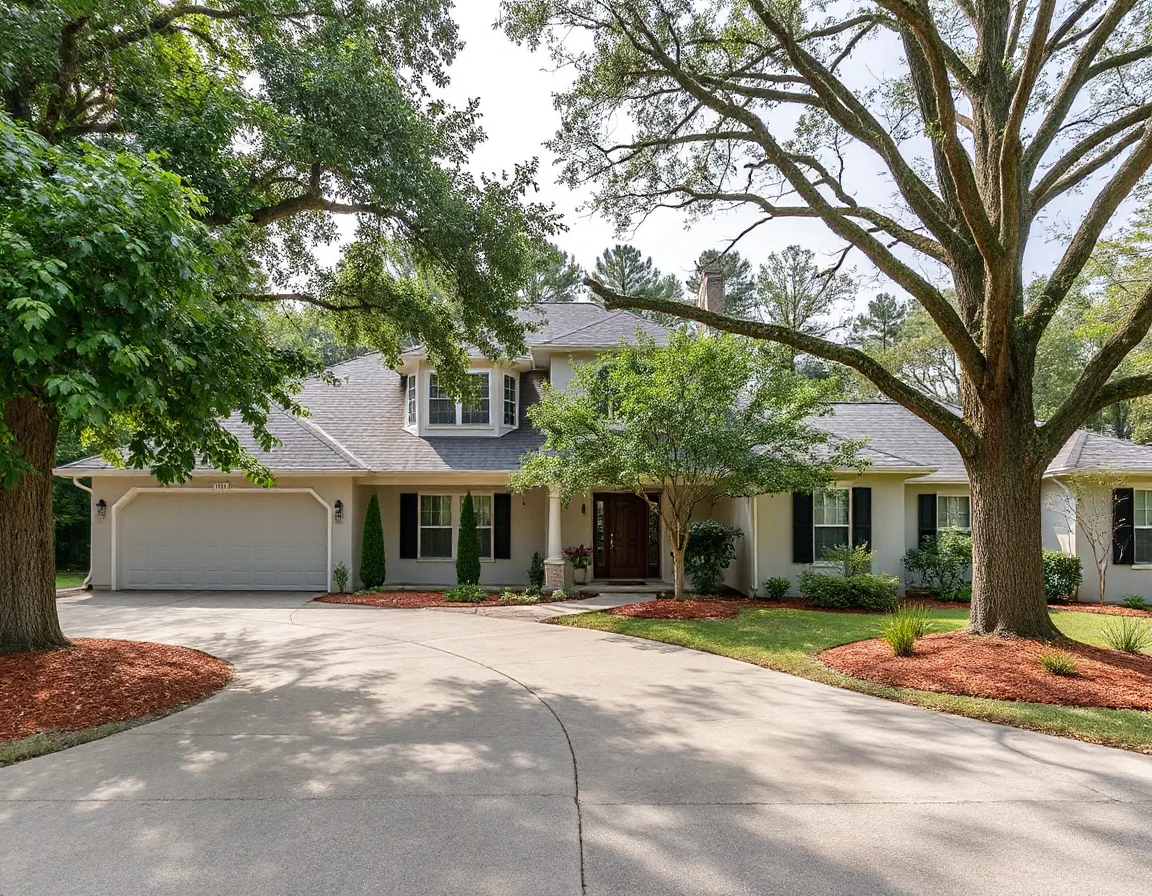
Presentation matters nearly as much. Professional photos, a tidy exterior, neutral and well-lit interiors, and accurate feature descriptions shape first impressions before a showing is ever booked. In Tallahassee, where mature landscaping, shaded lots, and varied architecture can be real strengths, the listing should clearly communicate what makes the property stand out. A home that shows cleanly and reads honestly online usually performs better within the same market conditions.
If a listing reaches the three- to four-week mark without strong traction, the best next step is usually a targeted adjustment rather than a complete reset. Small improvements in pricing, photos, or condition can change the pace quickly.
Timing can influence strategy too. Entering the market when buyers have more choices may require stronger preparation from day one. On the other hand, listing during a period with fewer competing homes can help a well-prepared property attract more attention. Sellers who understand timing as part of positioning, not luck, tend to respond more effectively.
How sellers can use the metric without overreacting
The smartest approach is to treat 41 days on market as one benchmark among many. Instead of reacting emotionally to the number, sellers can ask practical questions: How many showings have occurred? What similar homes went pending recently? Are buyers commenting on price, condition, or layout? Has the listing reached the right audience online? Those answers tell you much more than the median alone.

That is where local market knowledge and disciplined feedback become valuable. A seller does not just need data; a seller needs interpretation. The goal is to separate normal market time from warning signs. A measured strategy can protect value, while panic-driven cuts can leave money on the table without solving the real issue.
For many Tallahassee homeowners, the best path is to prepare carefully before launch, price with current competition in mind, and review the first few weeks of market response with honesty. If the listing is performing, stay consistent. If the feedback points to a gap, make a timely adjustment based on evidence rather than frustration. That is how days on market becomes a useful tool instead of a stressful headline.
In the end, 41 days does not define your home’s value. It simply marks how long the market has had to respond. Sellers who focus on the reasons behind that number are in a better position to make decisions that move the sale forward with confidence.